
- Stick electrodes 40
- MIG/MAG solid wires 36
- MIG/MAG flux-cored wires 48
- TIG rods 30
- Solders & fluxes 58
- Hardfacing 20
- Thermal spraying 36
- Polymer coatings 9
- Welding torch 120
- Welding equipment 14
- Plasma cutting 16
- Oxyfuel technology and gas supply 1
- Welding accessories 5
- Occupational health and safety 11
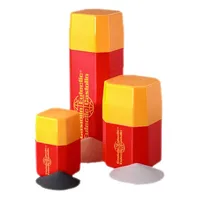
Eutalloy RW 12494
530.468,49 Ft 132.617,12 Ft / kgMetal powder for heat-resistant coatings
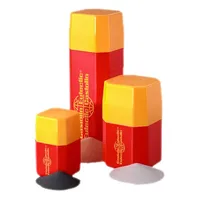
Eutalloy RW 12495
528.896,19 Ft 132.224,05 Ft / kgMetal powder for heat-resistant coatings
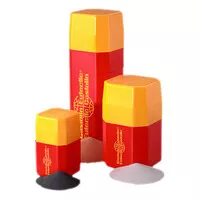
Eutalloy RW 12496 Metal powder
526.461,67 Ft 131.615,42 Ft / kgfor hot wear resistant coatings
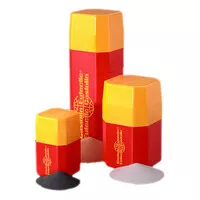
Eutalloy RW 12999 metal powder mixture
On requestfor highly wear-resistant coatings
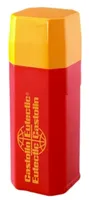
Eutalloy RW 12525 metal powder
264.586,28 Ft 52.917,26 Ft / kgMetal powder for corrosion and wear-r...
Eutalloy RW is a product line within the Eutalloy range by Castolin Eutectic, tailored for particular repair, wear protection, and coating applications. The products from this range are alloy powders for anti-wear protective coating of steels, nickel-alloy steels and cast iron. While the Eutalloy line includes a variety of alloys designed for thermal spraying to combat wear, corrosion, and thermal degradation, Eutalloy RW focuses on specific challenges that require a certain composition or particle size for optimal performance.
Flame spraying with subsequent melting - Eutalloy RW
The coating is applied in two steps. The spray powder is melted and sprayed onto the workpiece. The workpiece is subjected to a temperature of 100 - 300 °C. Generally, a coating thickness of 0.1 - 0.2 mm/pass is applied.
The coatings are applied with CastoDyn DS 8000.
After spraying, the coating is melted using an oxy-acetylene torch, ovens with and without shielding gas or resistance and HF induction heating. To ensure safe melting and diffusion bonding, the coating thickness must be limited to 2 mm. Melting must be completed 15 minutes after the start of heating in order to avoid boron burn-off and the associated reduction in wear resistance and hardness. The coating thickness is reduced by around 20 % during melting.
The solidus temperature of the base material must be higher than that of the spray additive.